
Founding a company can involve sleepless nights and long work hours which makes it difficult to travel and keep a work life balance.
Does founding a company mean giving up everything else?
No — but it does mean accepting that for long stretches, the company sets the calendar.
The honest version is this: there are seasons where nothing else fits. A financing, a readout, an inspection, a regulatory meeting. During those weeks, the idea of a trip is a fantasy. But a decade-long build made entirely of those weeks isn’t sustainable, and founders who treat every month like a crisis month tend to burn out right before the part that matters most.
Isn’t a lot of the travel part of the job anyway?
Yes, and that’s the trap.
Building a biotech means airports. Investor meetings in Boston and San Francisco, a CDMO site visit in Europe, a regulator in Maryland, conferences that are really four days of back-to-back thirty-minute conversations. You accumulate an absurd amount of travel and see almost none of the places you travel to. A hotel, a conference room, a return flight. It looks like a life of movement and feels like a treadmill.
The founders who get this right build one extra day into a trip they were already taking. Not a vacation — a Saturday. It costs almost nothing and it’s the difference between a decade of airports and a decade of places.
Doesn’t stepping away slow the company down?
Usually the opposite, and if it doesn’t, you’ve found a real problem worth knowing about.
If a company can’t run for ten days without its founder, that’s not evidence you’re indispensable — it’s evidence you’ve built a bottleneck. The test is uncomfortable but useful: leave, and see what breaks. Whatever breaks is the thing you should have delegated, documented, or hired for a year ago. Better to learn it during a planned absence than during an emergency.
What does distance actually give you?
Perspective you cannot manufacture at your desk.
Most of the decisions that matter in a build are grey — ambiguous data, competing programs, a partnership that solves this year and constrains the next. Those decisions get worse when you’re too close to them. Some of the clearest thinking I’ve done about a company happened when I was several time zones away from it, with nothing urgent in front of me. Distance doesn’t add information. It removes the noise that was crowding out the information you already had.
So how do you actually do both?
You plan the absence with the same rigor you plan a trial.
Pick the windows deliberately — the quiet stretch after a milestone, not the week before one. Tell your team and your board early rather than disappearing and hoping nobody notices. Name who decides what while you’re gone, and then actually let them decide it. Set one channel for genuine emergencies and ignore everything else.
And accept the trade. Some trips won’t happen. Some will be cut short. That’s the cost of building something that matters, and it’s a real cost — not one to pretend away.
Is that a fair trade?
For most builders, yes.
You give up a measure of freedom in exchange for the chance to make something exist that otherwise wouldn’t. That’s the bargain. But the point of the bargain was never to disappear into the work until there’s nothing left of the person who started it. The people waiting on what you’re building need you to finish it — and finishing a ten-year project requires a version of yourself that’s still standing at the end.
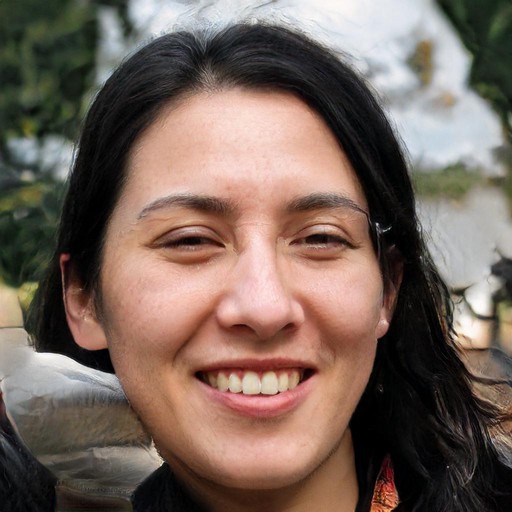
Kitty Ramirez is a passionate writer, explorer, and advocate for the preservation and understanding of indigenous cultures and traditional plant medicines. As the author of the blog, Kitty shares her knowledge and experiences from her many journeys across the globe, connecting her readers with the wisdom and healing practices of ancient cultures. Born and raised in a multicultural family, Kitty developed a deep curiosity about the world and its diverse cultures at a young age. Her adventurous spirit led her to embark on a life of travel, exploring the far corners of the Earth in search of transformative experiences and a deeper understanding of human connection. Throughout her travels, Kitty has had the opportunity to immerse herself in various indigenous communities, learning from their rich traditions and sacred healing practices. Her encounters with plant medicines, such as Ayahuasca, Sananga, and Rapé, have been particularly life-changing, inspiring her to share the power of these ancient remedies with a broader audience.