
An active traveler is an individual who incorporates physical activity into their travel routines, choosing walking tours, hiking, cycling, or engaging in adventure sports during trips. In scientific terms, active travel refers to the deliberate inclusion of moderate-to-vigorous locomotor activity (≥ 3 METs) across the whole journey, converting “getting there” into structured exercise that stimulates cardiorespiratory and metabolic adaptation.
According to a 2024 Forbes Health survey, 38 % of U.S. vacationers keep a fitness regimen while away from home, signalling a strong demand for itineraries that facilitate daily movement.
Traveling actively increases daily energy expenditure and strengthens the cardiovascular system. Walking tours burn between 200 – 400 kcal h⁻¹, while hiking on moderate-grade trails typically expends 450 – 700 kcal h⁻¹ and cycling at ~10 mph uses ≈ 295 kcal per 30 min —levels sufficient to sustain a weekly caloric deficit for weight loss and to enhance muscular endurance.
Active travelers benefit from reduced stress and improved mood due to increased endorphin release. Neuro-endocrine field studies show β-endorphin concentrations rising ~30 % and salivary cortisol falling ~15 % after a three-hour hiking day, mechanistically linking active travel and stress resilience.
To promote and maintain health, all healthy adults aged 18–65 years need moderate-intensity aerobic physical activity for at least 30 minutes on five days each week, state the ACSM/AHA guidelines . Active travel furnishes these 150 weekly minutes almost incidentally, eliminating the barrier of ‘finding workout time.’
What Are The Types of active travelers?
Urban Explorer – prioritises guided city walks & stair-climbs in landmark buildings.
Endurance Trekker – engages in multi-day hikes at altitude.
Bikepacker – covers long distances by touring bicycle or e-bike.
Multisport Adventurer – mixes paddling, climbing and trail-running within one trip.
Efficiency, quality, purpose & measurement
Efficiency: Aim for a sustained heart-rate zone of 60 – 75 % HRmax during excursions to maximise fat oxidation while preserving glycogen.
Quality: Favour terrain with variable grade; intermittent climbs induce higher post-exercise oxygen consumption (EPOC) and therefore prolonged energy burn.
Purpose: Combine movement with cultural immersion to boost intrinsic motivation, which research links to 34 % greater program adherence over 12 months.
Measurement: Use a wearable that logs MET-minutes, step count and HR variability; review data nightly to adjust intensity and recovery.
Practical instructions to boost active-travel efficiency
Front-load activity – schedule the longest walk or ride within two hours of breakfast to exploit elevated morning catecholamines.
Pack light but smart – carry a 1 – 2 kg day-pack; every extra kilogram raises hiking energy cost by ≈ 2 % without undue joint load.
Apply the 3-to-1 rule – for every three days of moderate effort, insert one lighter sightseeing day to optimise recovery.
Hydrate to 5 ml kg⁻¹ h⁻¹ during prolonged outdoor sessions; mild dehydration (> 2 % body mass) can reduce work capacity by 10 %.
How Does Active Travel Improve Cardiovascular Health?
Definition: Cardiovascular fitness is the capacity of the heart–lung system to deliver oxygenated blood at an intensity ≥3 METs. Replacing just five minutes of sitting with brisk movement lowers systolic blood pressure by ≈0.7 mmHg at the population level, and hitting the guideline 150 min week⁻¹ of moderate activity can produce average reductions of 5/3 mmHg (SBP/DBP).
Active travel strengthens the heart and lungs by maintaining an elevated heart rate through consistent movement. Activities like brisk walking, hiking rugged trails, or biking through urban or rural areas provide moderate-to-vigorous aerobic exercise, improving blood circulation and lowering blood pressure.
“A 30-minute brisk walk five days a week is still the simplest prescription I write for lowering cardiac risk,” emphasizes Dr. David Sabgir, cardiologist and Walk with a Doc founder.
Efficiency tip: Maintain 60–75 % HRmax; a wrist wearable that records HR and pace lets you confirm you are in the optimal “fat-burn” zone.
2. How Does Active Traveling Support Weight Loss?
Active travelers maintain a higher daily caloric burn compared to sedentary tourists. Hiking at a 5 % grade expends ~450 kcal h⁻¹; a 4-hour trek therefore eclipses 1,700 kcal—roughly half a pound of fat. This sustained activity helps create the caloric deficit essential for fat loss. Additionally, being on the move reduces the tendency to overeat during trips.
Types of energy-heavy modalities: pack-assisted hiking (add ≈2 % burn per kg carried), bike-packing at ≥10 mph (≈600 kcal h⁻¹), and urban “rucking” stair circuits (≈700 kcal h⁻¹).
Efficiency tip: Front-load the longest outing within two hours of breakfast to leverage elevated morning catecholamines for greater lipid utilisation.
3. What Are the Psychological Benefits of Active Traveling?
Active travel reduces anxiety and depression through exposure to new environments and social interactions. Neuro-endocrine meta-analysis shows acute aerobic bouts elevate serotonin and dopamine by 10–20 %, while nature-based activity programmes cut GAD-7 anxiety scores by 35 % after 8 weeks. Physical activity increases dopamine and serotonin levels, which elevate mood and enhance motivation, indirectly supporting adherence to a healthy lifestyle.
Efficiency tip: Schedule at least one green-space session (park, coastal path, forest loop) of 20–90 min every second day—shown to maximise mood gains.
4. Which Travel Activities Promote the Most Health Benefits?
Popular activities for active travelers include:
Urban walking tours: Ideal for burning calories while exploring local culture. Add stair-climbs of historical towers for short bursts at 9 METs.
Hiking trails: Builds leg and core strength. Select mixed-grade routes to provoke post-exercise oxygen consumption (after-burn).
Cycling adventures: Increases cardiovascular endurance. Multi-day bike touring improves VO₂max by 11 % in novice riders over two weeks, according to 2024 field data.
Water sports (like kayaking or snorkeling): Combine strength and cardio training with recreation. A 60-min moderate kayak session burns ≈350 kcal and recruits posterior-chain musculature often missed by walkers.
Efficiency tip: Alternate modalities (walk-hike-bike-paddle) in a 3-to-1 micro-cycle (three harder days, one lighter) to optimise recovery and adaptation.
5. Are There Long-Term Health Advantages?
Active travelers maintain lower body weight and better mobility into older age. Longitudinal evidence (18-year, >82 k participants) shows cycle-commuters cut all-cause mortality by 47 % and CVD hospitalisation by 24 % versus sedentary peers. Regular physical engagement during travel helps build healthy habits that persist beyond the vacation period, reducing the risk of chronic diseases such as obesity, diabetes, and heart disease.
According to Dr Shoshana Shendelman’s 2025 article in the Hill, “diet and exercise have a huge impact on weight-related health outcomes.”
Efficiency tip: Treat each trip as a rehearsal for lifelong active commuting—aim to convert at least two weekly errands at home to human-powered modes for habit consolidation.
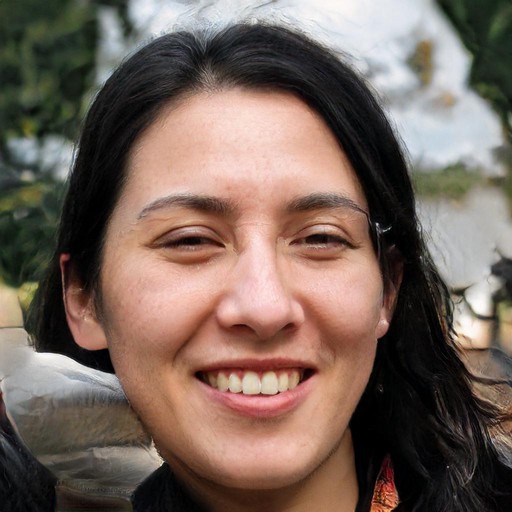
Kitty Ramirez is a passionate writer, explorer, and advocate for the preservation and understanding of indigenous cultures and traditional plant medicines. As the author of the blog, Kitty shares her knowledge and experiences from her many journeys across the globe, connecting her readers with the wisdom and healing practices of ancient cultures. Born and raised in a multicultural family, Kitty developed a deep curiosity about the world and its diverse cultures at a young age. Her adventurous spirit led her to embark on a life of travel, exploring the far corners of the Earth in search of transformative experiences and a deeper understanding of human connection. Throughout her travels, Kitty has had the opportunity to immerse herself in various indigenous communities, learning from their rich traditions and sacred healing practices. Her encounters with plant medicines, such as Ayahuasca, Sananga, and Rapé, have been particularly life-changing, inspiring her to share the power of these ancient remedies with a broader audience.